

What an accident check by VIN shows
| What you see | Details |
|---|---|
| Reported accidents and damage | Date, severity (minor, moderate, severe) and impact areas: front end, rear end, side, roof, undercarriage, suspension, steering |
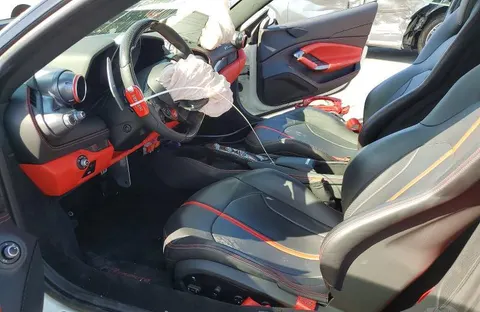
| Crash details | When the source names them: whether the airbags deployed, whether the car was towed, whether it was disabled, whether structural damage was reported |
| History checks summary | Total loss, structural damage, airbag deployment and accident severity at a glance — "reported" or "not reported" |
| Total loss | Whether an insurer declared the car a total loss, and what happened to it next |
| Title brands | Salvage, rebuilt, flood, junk — the brands a serious accident usually leaves on a US title |
| Insurance auctions | Copart and IAAI lots: primary and secondary damage, sale document and photos before the repair |
| Korean insurance claims | For cars from South Korea: each insurance accident claim with damaged parts and the amount the insurer paid |
| Timeline | Every accident, auction sale and title change on one dated line |
The report is in your language and is saved in your account as a PDF. See a sample report.
How to tell if a car has been in an accident
- Check the VIN — the report shows the accidents and damage reported for the car in the USA or South Korea.
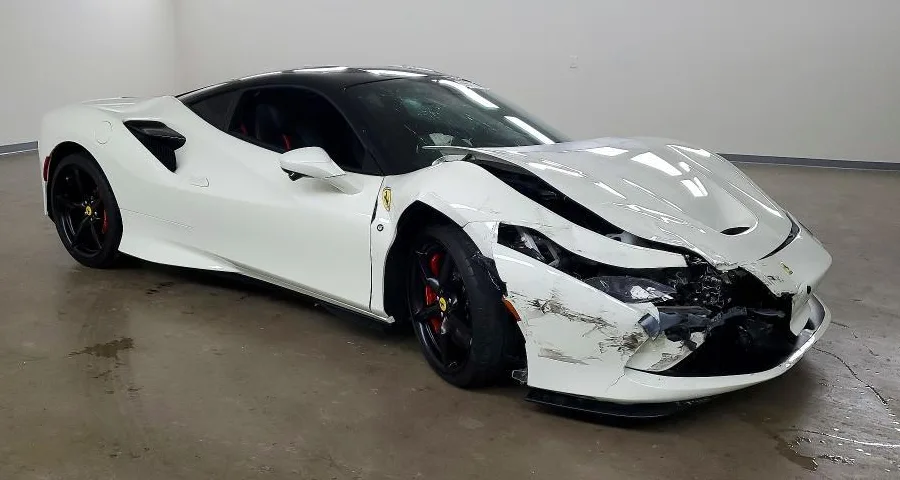
- Compare with the auction photos. If the car went through Copart or IAAI, the photos show the real damage before repair.
- Look at the severity and the impact areas. A minor rear bump and a severe front hit with airbags deployed are very different cars.
- Look for a total loss or a salvage brand. Together with a "never crashed" story from the seller, they are a red flag.
- Have the car inspected. Paint thickness, panel gaps, welds and airbag modules tell a body shop what the papers do not.
What the severity means
- Minor — cosmetic damage: bumpers, lights, small dents. Usually repaired without structural work.
- Moderate — several panels or one side damaged; parts replaced. Check the quality of the repair.
- Severe — heavy damage, often with airbags deployed or the car towed away. Often ends in a total loss.
- Structural damage — the body structure was damaged. Such a car needs a careful inspection on a frame bench.
What the report does not show
We only show accidents that were reported to our sources — usually through insurance claims, police reports, service shops or auctions. A crash repaired privately for cash may not appear anywhere. That is why "no records found" is never shown as "no accidents": it only means there is no record in the sources.
Questions
How can I check a car's accident history by VIN for free?
Make, model and year are decoded for free. The accident history is part of the paid report — the first US report costs $2.49, a Korea trial report $6.99.
Does the report show where the car was hit?
Yes, when the source names it: front end, rear end, side, roof, undercarriage, suspension or steering, plus flood, hail or fire damage. Auction lots add the primary and secondary damage and photos.
Can I see if the airbags deployed?
Yes, if the accident record says so. The history checks summary also shows whether an airbag deployment was reported.
What if the car was in an accident in Europe?
The report covers the car's records from the USA and South Korea. Accidents after the car was imported to Europe are not included.
Is a car with an accident always a bad buy?
No. A minor, well-repaired accident at a fair price can be a good deal. What matters is knowing what happened before you pay.