
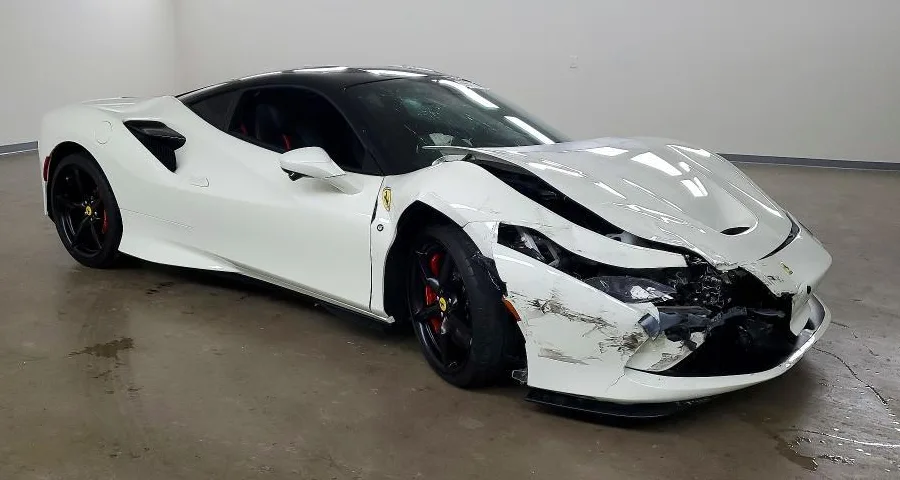
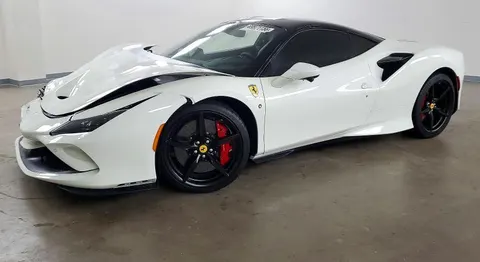
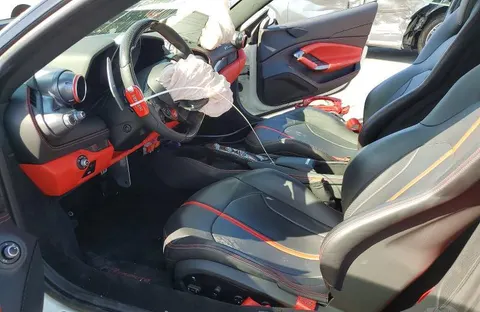
How importing a car from the USA works
- Choose a car — at an insurance auction (Copart, IAAI), a dealer auction or from an importer's stock.
- Check the VIN history before bidding — title brands, accidents, owners, previous auction sales, mileage.
- Bid through a licensed broker or importer — most auctions do not sell directly to private buyers abroad.
- Pay the price, the auction fee and the broker fee.
- Transport — by truck to a US port, then by sea in a container or on a car carrier to Europe or Georgia.
- Customs — duty, excise and VAT depend on the country, the engine and the age of the car; use your customs office's calculator before you bid.
- Repair, technical inspection and registration in your country.
What to check before you bid or pay a deposit
| Check | Why it matters |
|---|---|
| Title brands | Salvage, rebuilt, flood, junk or lemon tell how the car was written off; some documents (parts only, non-repairable) may block registration |
| Accident history | Previous crashes with severity and impact areas, airbags, structural damage — the current lot may not be the first damage |
| Previous auction sales | A car sold several times at auction is often a "rebuilt and crashed again" story |
| Mileage | Readings from titles, service visits and auctions; a lower later reading is a rollback warning |
| Owners and use | Rental, fleet or taxi use means hard miles |
| Flood | Water damage hides in wiring and electronics and shows up months later |
| Open recalls | Repairs the manufacturer still owes this car |
A CarSpy report shows all of this by VIN in your language, plus the auction photos taken before any repair. See a sample report, what a salvage title means and how to check a car's accident history.
Costs to plan for
- Car price at auction — the hammer price.
- Auction and broker fees — often a noticeable share of a cheap car's price.
- US inland transport and ocean shipping — depend on the state and the port.
- Customs duty, excise and VAT in your country.
- Repair and parts — plan with the auction photos in front of you, not the lot title.
- Inspection and registration.
Red flags
- The seller does not tell you the lot number or the auction.
- "Never crashed" — but the VIN shows an insurance auction sale or a total loss.
- Flood damage, airbags deployed or structural damage in the history.
- The mileage on the dashboard is much lower than the last US record.
- Several auction sales of the same car within a short time.
Questions
Is it worth buying a damaged car from the USA?
It can be — if the price reflects the damage and you know the full history. Check the VIN before you bid, budget the repair from the auction photos and avoid flood and structural damage unless you are a professional.
Are all cars from the USA damaged?
No. Insurance auctions sell mostly damaged or written-off cars, but dealer auctions and importers also sell clean-title cars. The VIN history shows which kind you are looking at.
How can I check a car from the USA by VIN?
Enter the VIN on CarSpy and choose the USA market. The first report costs $2.49 — see how to check a car imported from the USA.
Can I check a car that has already been imported?
Yes. The VIN does not change, so the US history can be checked wherever the car is now.