
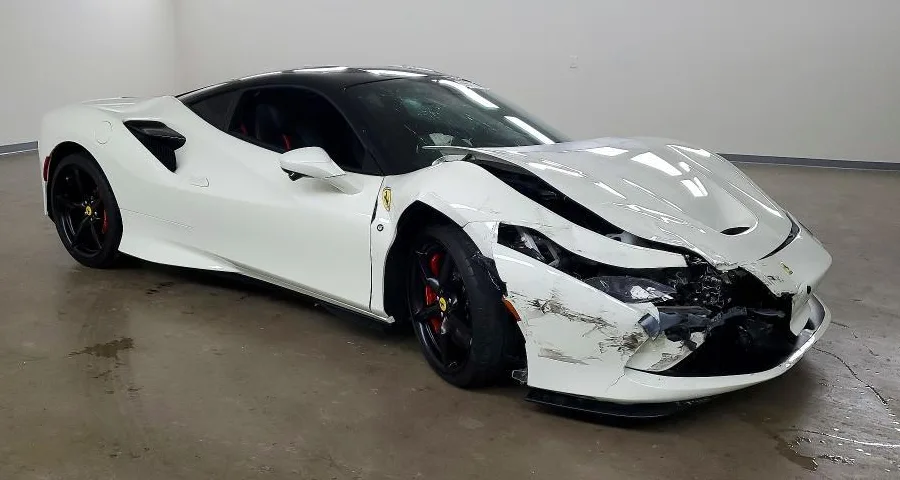
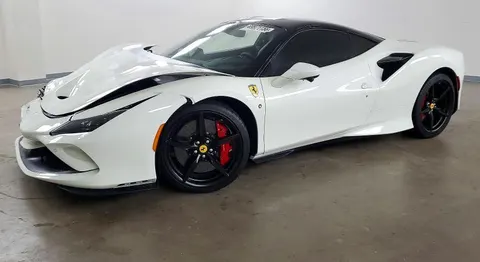
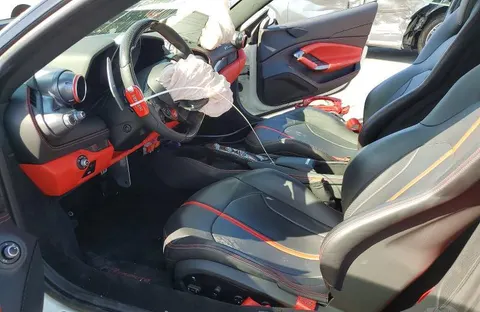
Primary and secondary damage
| Code | What it usually means | Watch out for |
|---|---|---|
| Front End | The main hit was at the front: bumper, hood, headlights, radiator | Radiator support, airbags, engine mounts |
| Rear End | Hit from behind: bumper, trunk lid, rear panel | Trunk floor and rear rails — often hidden |
| Side | Damage to doors, fenders or pillars on one side | Pillars and sills are structural |
| All Over | Damage on several sides at once | Usually a heavy accident or a rollover |
| Rollover | The car rolled over | Roof and pillars — avoid unless you are a pro |
| Top / Roof | Roof damage: hail, falling objects, rollover | Windshield frame and pillars |
| Undercarriage | Damage underneath: curb, debris, off-road | Subframes, fuel lines, battery packs on EVs |
| Water / Flood | The car was in water | Wiring, electronics, mould — the most expensive surprise |
| Hail | Dents from hail | Usually cosmetic; check the glass and roof |
| Burn / Fire | Fire damage (engine, interior or exterior) | Wiring and plastics; often not worth repairing |
| Mechanical | Engine, gearbox or other mechanical failure | Cost depends on what exactly failed |
| Minor Dent / Scratches | Small cosmetic damage | Often the best buys at auction |
| Normal Wear | No accident, just wear and tear | Common for lease returns and fleet cars |
| Vandalism | Broken glass, scratches, damaged interior | Check what was stolen from the car |
| Stripped | Parts were removed | Count the missing parts before bidding |
| Biohazard / Chemical | Contamination inside the car | Professional cleaning is expensive |
Secondary damage is the second most important damage on the lot. "Front End + Undercarriage" is a very different car from "Front End + Minor Dent".
Start codes: does it run?
- Run and Drive — on the check-in day the car started, moved into gear and drove. It is not a guarantee it still does.
- Starts / Engine Start Program — the engine started, but the car was not driven.
- Stationary / Does not start — it did not start. Could be a flat battery, could be a dead engine.
Odometer status
- Actual — the reading is believed to be the real mileage.
- Not Actual — the auction or the title says the reading is not the real mileage. Be careful.
- Exempt — older cars are exempt from odometer disclosure in the US, so the number is not verified.
- Exceeds Mechanical Limits — the odometer rolled over its maximum (old 5-digit odometers).
Title and sale document
- Clean title — no brand at the time of sale. Not proof that the car was never damaged.
- Salvage certificate / Salvage title — written off by an insurer; must be repaired and inspected.
- Rebuilt / Rebuildable — repairable salvage, or already repaired and inspected.
- Certificate of Destruction / Parts only / Non-repairable — the car may not be registered again in that state. Check your country's rules before bidding.
Other fields worth reading
- Airbags: deployed — a strong sign of a serious impact; budget for airbags, belts and the control unit.
- Keys: yes / no — a missing key can cost hundreds for modern cars.
- Loss type — why the insurer took the car: collision, water, theft, hail.
- ACV / estimated repair cost — the insurer's estimates; repair cost close to the value means a heavy hit.
How CarSpy helps
The auction description is one day in the car's life. A CarSpy report by VIN shows every Copart and IAAI lot with these fields and the photos before repair — plus what happened before and after: title brands by state and date, reported accidents, owners and the mileage history. See a sample report or read how to check a car imported from the USA.
Questions
What does "Front End" damage mean on Copart?
The main damage is at the front of the car — bumper, hood, headlights, radiator and sometimes the engine bay. Look at the photos for airbags and the radiator support: they tell you how deep the hit went.
Does "Run and Drive" mean the car is fine?
No. It only means the car started and drove on the day it was checked in at the yard. It says nothing about the gearbox over a long distance, the electronics or hidden damage.
What does "Not Actual" mileage mean?
The reading on the odometer is known or believed not to be the real mileage — for example after a cluster swap or a rollback. Check the mileage history by VIN before you trust the number.
Can I register a car with a Certificate of Destruction?
In the US state that issued it — no, it is for parts only. Some countries still allow registration after inspection; check the rules in your country before you bid.
What is the safest damage type to buy?
Usually minor dents, hail, vandalism or a light front or rear hit without airbags. Flood, fire, rollover and "all over" damage carry the highest risk.
What does "AO" damage mean on Copart?
AO is short for All Over: the car is damaged on more than one side. It usually follows a heavy crash or a rollover, so expect structural repairs, not just new panels.
What does "Teardown" mean on a Copart or IAAI lot?
The car was partly taken apart, usually by the insurance appraiser, to see the damage behind the panels. Bumpers, lights or trim may be removed and sometimes left inside the car or missing. The photos show more of the real damage, but count the loose and missing parts before you bid.
What does "Stationary" mean on IAAI?
It is the start code for a car that did not start at check-in, or was not tested. The cause can be as small as a flat battery or as big as a dead engine, so price it as a car that does not run.
How does the damage code change the risk?
From the lowest to the highest risk: minor dents and hail, then a front or rear hit without airbags, then side damage to pillars or sills, then undercarriage, then all over, rollover, fire and flood. Airbags deployed, "Not Actual" mileage or a non-repairable document push any lot up this list.